Peptides are increasingly growing in popularity and are a frequent talking point on the mainstream news and social media. But what are peptides? And should you consider using them?
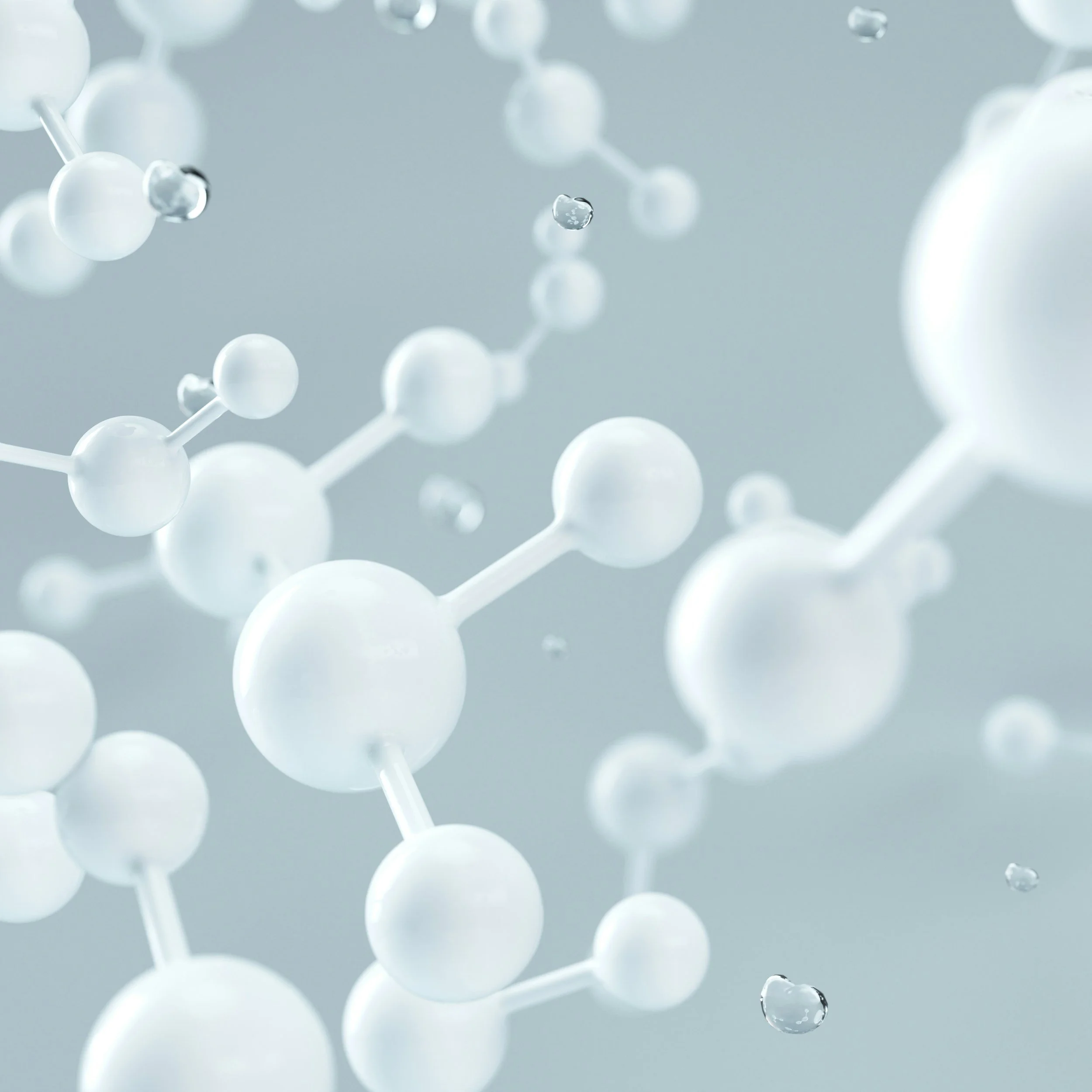
A peptide is a short chain amino acid which are the building blocks of proteins. Proteins are larger structures consisting of more than 50 amino acids (Nordell, et al., 2026). Peptides act as a signaling molecule in the body to perform a specific action through cellular receptors. Some peptides naturally occur in the body such as insulin to control blood sugar or endorphins to block pain signals.
How should you decide if peptides are right for you?
Consult with your health care professional to discuss if current available peptides may be appropriate for you. Besides insulin taken for patients with diabetes, GLP-1s (Glucagon Like Peptides) are the one of the only FDA approved injectable peptides available at this time. Other peptides such as BPC-157, GHK-Cu, and TB-500 are currently under FDA review and are not recommended at this time. As research continues to study these peptides, more information will show us if they are suitable and safe for human use.
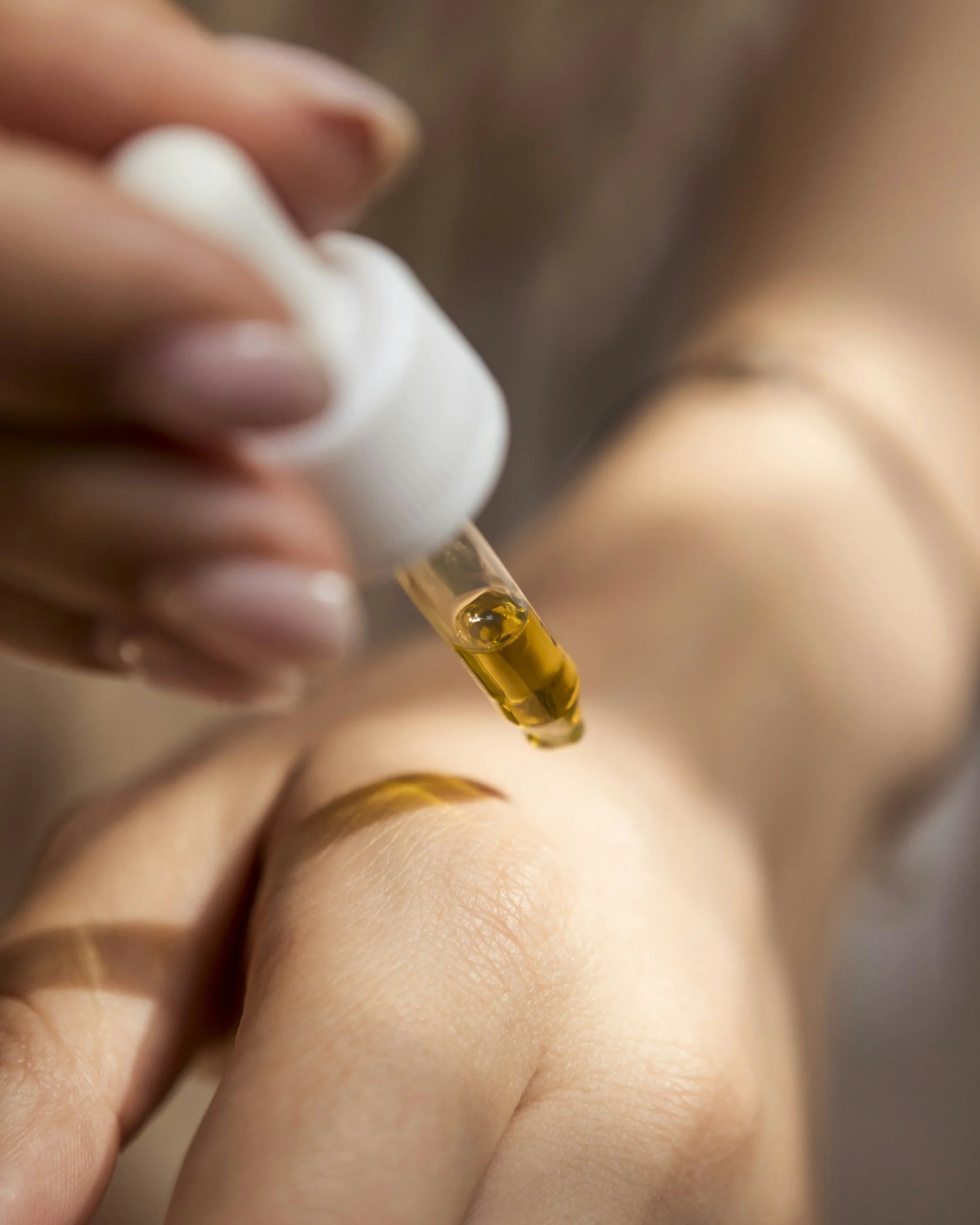
Some studies are also being conducted for topical use to assist with the reduction of fine lines and wrinkles with benefits being modest with limited evidence for their effectiveness at this time (Nukaly et al., 2026).
The health care community continues to monitor the status of peptides and will keep patients safely informed of any ongoing developments.
References:
Nordell, P., Jansson-Löfmark, R. & Gennemark, P. Systemic Pharmacokinetic Principles of Therapeutic Peptides. Clin Pharmacokinet 65, 571–582 (2026). https://doi.org/10.1007/s40262-025-01615-z
Nukaly, H. Y., Halawani, I. R., Irtaza, H. M., Alturkistani, T., Serafi, M. R., Alhawsawi, W., Bogari, H. O., Ahmed, F. A., Alhaddad, Y., Shadid, A., Alharithy, R., & Jfri, A. (2026). Oral and topical peptides for skin aging: systematic review and meta-analysis of randomized controlled trials. Frontiers in medicine, 13, 1618306. https://doi.org/10.3389/fmed.2026.1618306